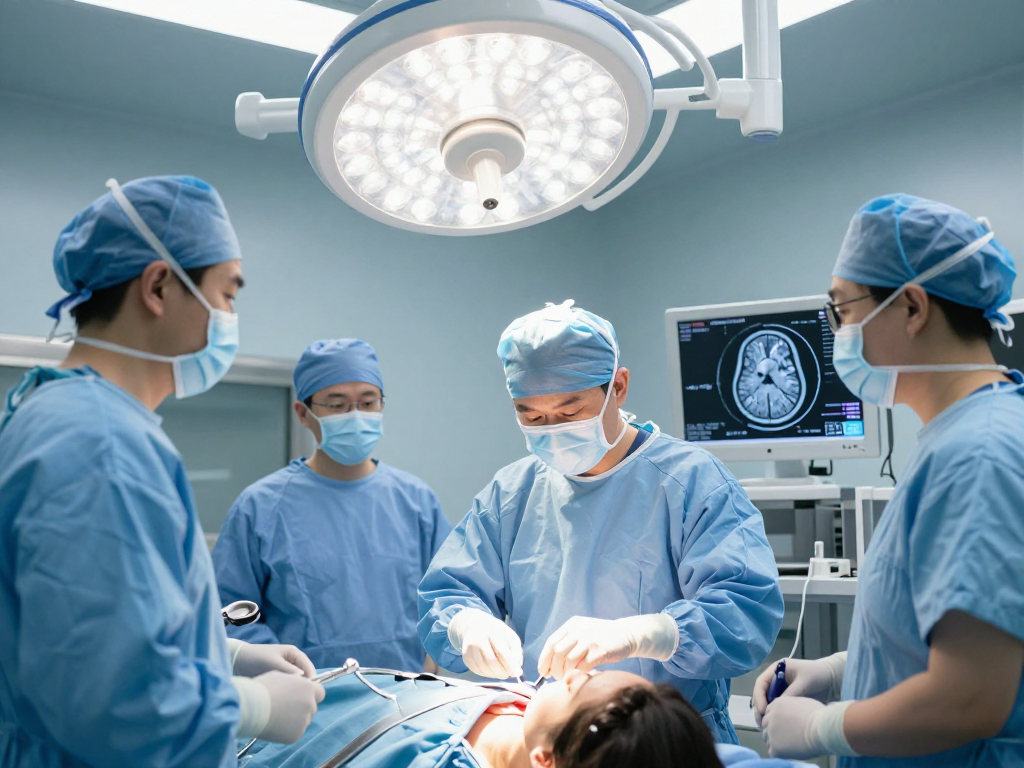
Understanding the Role of a Neurosurgeon in Abu Dhabi
The field of neurosurgery is critical in treating conditions affecting the brain and nervous system. In Abu Dhabi, a neurosurgeon in Abu Dhabi plays a vital role in not only performing intricate surgical procedures but also in diagnosing, managing, and guiding patients through the complexities of neurological disorders. This article aims to demystify the role of neurosurgeons, their areas of expertise, and how patients can find the right specialist for their needs.
What Does a Neurosurgeon Do?
A neurosurgeon is a medical doctor who specializes in the diagnosis, treatment, and rehabilitation of disorders that affect the nervous system, including the brain, spinal cord, peripheral nerves, and cerebrovascular system. Their work usually involves both surgical and non-surgical interventions. Neurosurgeons are trained to perform complex surgeries, which may include tumor removals, trauma repair, and neuromodulation techniques such as deep brain stimulation.
Common Neurological Conditions Treated
Neurosurgeons address a variety of neurological conditions. These can range from traumatic brain injuries to congenital disorders and degenerative diseases. Some of the most common conditions treated include:
- Brain tumors
- Epilepsy
- Spinal cord injuries
- Hydrocephalus
- Herniated discs
- Parkinson's disease
- Arteriovenous malformations (AVMs)
Specializations within Neurosurgery
Neurosurgery encompasses various sub-specialties, allowing practitioners to focus on specific areas of interest and expertise. Some of these include:
- Neuro-oncology: Focused on brain tumors and related treatments.
- Pediatric neurosurgery: Specialized in treating neurological disorders in children.
- Spinal neurosurgery: Concentrates on spinal disorders impacting the vertebrae and surrounding tissues.
- Functional neurosurgery: Engages in surgeries intended to improve quality of life for patients with disorders like epilepsy and movement disorders.
Finding the Right Neurosurgeon in Abu Dhabi
Choosing the right neurosurgeon can significantly affect the outcome of treatment and the overall experience. Here are essential considerations to ensure you find a qualified specialist.
Key Qualifications to Look For
When searching for a neurosurgeon, it's vital to look for specific qualifications. Board certification is a must, as it signifies that the surgeon has met rigorous standards set by medical authorities. Additional training or fellowships in specialized areas of neurosurgery can be beneficial. Furthermore, membership in relevant professional organizations can indicate a commitment to ongoing education and adherence to industry standards.
How to Evaluate Experience and Expertise
Experience plays a critical role in neurosurgery. It's advisable to inquire about the number of surgeries performed by a neurosurgeon for your specific condition. Surgeons who regularly treat your condition often yield better outcomes. Additionally, consider their affiliations with reputable hospitals or medical centers, as these institutions typically uphold high standards in surgical care.
Importance of Patient Reviews and Testimonials
Patient reviews can provide valuable insights into a neurosurgeon's practice. Look for testimonials regarding the surgeon's communication skills, the treatment process, and post-operative outcomes. A high level of patient satisfaction often reflects not only the surgeon's skill but also their ability to support patients throughout their treatment journey.
Preparing for Your Neurosurgery Consultation
Preparation for your consultation is crucial to ensure you get the most out of your visit. It allows you to cover important topics that will help you feel informed and confident about the treatment ahead.
Essential Questions to Ask Your Neurosurgeon
Drafting a list of questions to ask during your consultation can facilitate a more productive discussion. Some essential questions include:
- What are my treatment options?
- What are the risks associated with the procedure?
- What is the expected recovery time?
- Will I need follow-up care, and if so, what will it entail?
Understanding Diagnostic Procedures
In preparation for surgery, your neurosurgeon may recommend various diagnostic tests such as MRIs, CT scans, or EEGs. Understanding these procedures and their purposes can ease anxiety and help you feel more in control of your treatment.
Setting Expectations for Treatment Plans
During the consultation, your surgeon will discuss your personalized treatment plan. This should include not only the procedure itself but also pre-operative preparations, post-operative care, and follow-up appointments. It is imperative to have clear expectations in order to maintain realistic goals throughout your treatment process.
Post-Operative Care and Recovery
Following surgery, patients often have questions about what to expect during their recovery. Understanding this process can greatly enhance your experience and outcome.
What to Expect After Neurosurgery?
The initial recovery period may include discomfort, which can be managed with prescribed medications. Monitoring for any unusual symptoms is vital, as complications can arise. Your healthcare team will provide guidance on activity levels and necessary restrictions following surgery.
Importance of Follow-Up Visits
Follow-up appointments are an indispensable part of your recovery journey. They allow the neurosurgeon to assess healing, address any concerns, and adjust treatment plans as necessary. Missing these appointments can jeopardize recovery outcomes.
Navigating Physical Rehabilitation
Depending on the nature of your surgery and condition, physical rehabilitation may be a critical component of your recovery. Engaging in physical therapy can help regain strength, improve mobility, and facilitate a smoother transition back to daily activities.
The Future of Neurosurgery in Abu Dhabi
The world of neurosurgery is continually evolving. Professionals in Abu Dhabi are at the forefront of these advancements, enabling them to provide the best care possible.
Emerging Technologies in Neurosurgery
Innovative technologies such as robotic-assisted surgeries, advanced imaging techniques, and minimally invasive procedures are transforming the landscape of neurosurgery. These tools enhance precision, reduce recovery times, and improve outcomes for patients.
Trends Influencing Neurosurgical Practices
Current trends in neurosurgery emphasize personalized treatment approaches, with a focus on tailoring interventions to individual patient needs. This shift is supported by advancements in imaging and diagnostic technologies, enabling more accurate assessments of neurological conditions.
Forecasting Advances for 2026 and Beyond
Looking ahead, the field of neurosurgery is likely to see continued growth in the use of artificial intelligence and machine learning for predictive analytics and surgical assistance. These advances promise to enhance decision-making and surgical outcomes for patients facing complex neurological issues.