Understanding CIKA4D in Indoor Agriculture
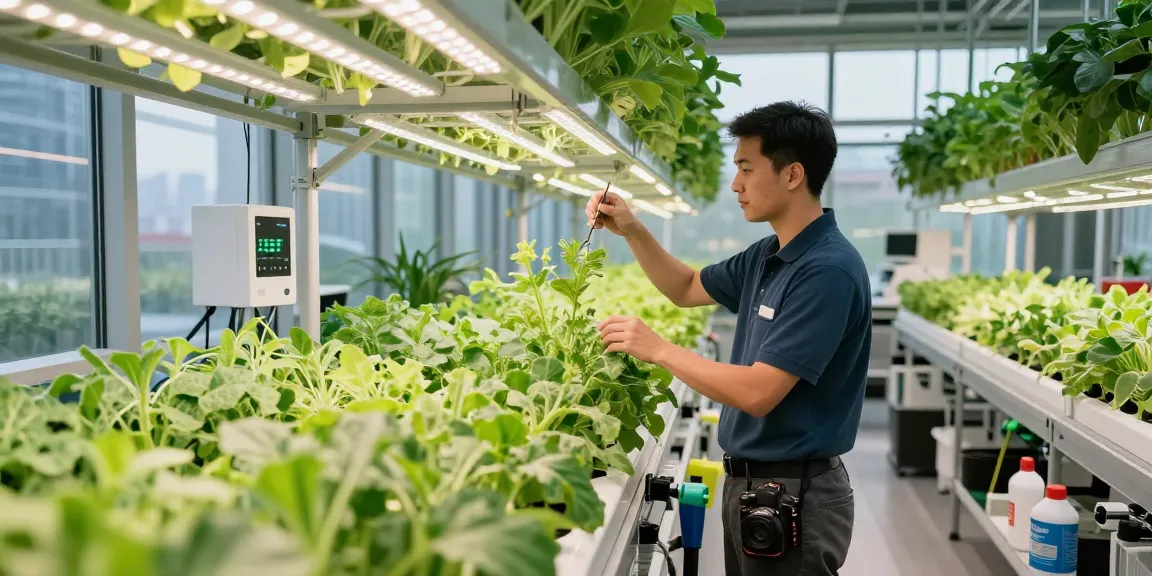
CIKA4D is revolutionizing the landscape of indoor agriculture, providing advanced solutions that cater to the growing demand for sustainable farming practices. This innovative approach integrates cutting-edge technology with thoughtful design to create optimal growing environments, ensuring efficiency and productivity in indoor agriculture. By leveraging these solutions, farmers and agricultural facilities can enhance their operations and ultimately contribute positively to the industry’s sustainability goals. One platform that embodies these principles is cika4d, which offers a comprehensive suite of services tailored to the needs of modern growers.
What is CIKA4D?
CIKA4D stands for Creative Indoor Knowledge and Agriculture for the 4th Dimension, representing a multifaceted approach to indoor farming. It encompasses a wide array of services, from the initial design of vertical farms and grow rooms to the construction and operational management of these facilities. CIKA4D is not just a service; it is a holistic framework that helps agricultural professionals adapt to the changing dynamics of farming.
Benefits of CIKA4D for Modern Farming
The implementation of CIKA4D solutions brings numerous benefits that can significantly enhance farming operations:
- Increased Yield: By optimizing environmental factors such as light, temperature, and humidity, growers can achieve higher crop yields throughout the year.
- Sustainability: CIKA4D emphasizes sustainable practices by reducing water usage and energy consumption, contributing to environmental conservation.
- Cost Efficiency: The integrated systems designed under CIKA4D principles lower operational costs by minimizing waste and maximizing resource efficiency.
- Scalability: CIKA4D solutions are scalable, allowing facilities to adapt and expand their operations as demand grows.
- Enhanced Control: A well-designed CIKA4D facility allows for precise control over growth conditions, leading to consistent quality across harvests.
Technology Integration in CIKA4D Solutions
Modern agriculture is heavily reliant on technology, and CIKA4D embraces this by incorporating the latest advancements:
- Automated Climate Control: Smart sensors and IoT devices continuously monitor conditions, adjusting heating, cooling, and ventilation systems in real-time.
- Intelligent Lighting Solutions: LED grow lights can be programmed to mimic natural sunlight, providing plants with optimal light spectrums for growth.
- Data Analytics: CIKA4D utilizes data analytics to track growth patterns, yield projections, and resource usage, enabling data-driven decision-making.
- Hydroponics and Aeroponics: These soil-less farming methods are integrated into CIKA4D systems, maximizing space and water efficiency.
Building Efficient Indoor Agriculture Facilities
Creating an indoor agriculture facility that embodies CIKA4D principles requires a thorough understanding of design principles and essential systems that contribute to optimal growth. The focus is not only on aesthetics but also on functionality that supports the unique needs of indoor crops.
Design Principles in CIKA4D Projects
The initial design phase is crucial in any CIKA4D project. Key design principles include:
- Space Optimization: Efficient layout designs maximize space while ensuring easy access for maintenance and harvesting.
- Energy Efficiency: Incorporating renewable energy sources and energy-efficient systems to lower overall utility costs.
- Accessibility: Designing facilities to allow for smooth workflows, minimizing bottlenecks during operation.
- Modular Design: Creating modular components can facilitate future expansions or adjustments to the facility.
Essential Systems for Optimal Growth
Every CIKA4D facility benefits from several key systems that ensure optimal growth conditions:
- Ventilation Systems: Proper airflow is essential to prevent fungal infections and maintain healthy plant growth.
- Water Management Systems: Efficient irrigation systems, such as drip or mist systems, conserve water while providing enough moisture for growth.
- Fertigation Systems: Integrating nutrient delivery efficiently into the water resources to ensure plants receive adequate nutrients.
- Monitoring Systems: Real-time monitoring of environmental conditions helps in making necessary adjustments quickly.
Case Studies of Successful CIKA4D Implementations
Real-world applications of CIKA4D showcase its versatility and effectiveness. Consider the following case studies:
- Urban Growers: An urban farm implemented a CIKA4D design, resulting in a 40% increase in yield while reducing water usage by 30%.
- Commercial Greenhouses: A commercial greenhouse optimized its lighting and climate control through CIKA4D principles, leading to a significant decrease in operational costs.
- Educational Facilities: An educational institution adopted CIKA4D for their horticulture program, providing students hands-on experience in modern agricultural practices.
Overcoming Challenges in Indoor Agriculture
While CIKA4D offers a wealth of opportunities, challenges still exist in indoor agriculture. Addressing these challenges proactively is essential for sustainable development.
Common Obstacles When Using CIKA4D
Common obstacles faced by organizations implementing CIKA4D solutions include:
- High Initial Investment: The upfront costs associated with technology and infrastructure can be substantial.
- Technical Knowledge: A lack of understanding and expertise in managing advanced agricultural technologies can hinder success.
- Regulatory Challenges: Adhering to local agricultural regulations and zoning laws may present hurdles for new setups.
- Market Volatility: Fluctuating market demand for certain crops can impact the profitability of indoor farming operations.
Strategies for Efficient Problem-Solving
To navigate these challenges, the following strategies can be employed:
- Conducting Feasibility Studies: Assessing market demand and operational costs can help mitigate financial risks.
- Continuous Education and Training: Investing in staff training ensures that teams are equipped to handle advanced technologies.
- Networking with Industry Experts: Collaborating with specialists can provide valuable insights into best practices and innovations.
- Flexibility in Operations: Being able to adapt quickly to changing market conditions can help maintain profitability.
Future Proofing Your CIKA4D Facility
As technology continues to evolve, future-proofing your indoor agriculture facility is vital. Strategies to ensure sustainability include:
- Adopting Modular Technologies: Modular systems can be updated or replaced as new technologies become available.
- Implementing Sustainability Measures: Utilizing renewable energy sources, such as solar panels, contributes to long-term sustainability.
- Continuous Market Research: Staying informed about market trends can help guide production decisions.
- Investing in R&D: Ongoing research and development can lead to innovative farming techniques and improved efficiencies.
Measuring Success in Indoor Agriculture
Measuring the efficacy of CIKA4D solutions is essential for ensuring that performance goals are met. Agricultural stakeholders need to focus on key performance metrics that accurately reflect success.
Key Performance Metrics for CIKA4D Systems
Important metrics include:
- Crop Yield: Tracking yield data is crucial for assessing productivity levels.
- Energy Consumption: Monitoring energy use per unit of production helps evaluate efficiency.
- Water Usage: Understanding water consumption rates can indicate sustainability practices.
- Growth Rates: Measuring how quickly plants reach maturity assists in evaluating product timelines.
Analyzing Growth and Yield Data
A comprehensive analysis of growth and yield data is vital for making informed decisions. Techniques include:
- Comparative Analysis: Comparing data across different batches can identify trends and areas for improvement.
- Forecasting Models: Developing predictive models can aid in anticipating future yield outcomes.
- Adjustments Based on Data: Utilizing data to fine-tune environmental conditions leads to optimized growth.
Continuous Improvement and Adaptation in Practices
The agricultural landscape is ever-evolving, necessitating a focus on continuous improvement. Organizations should embrace a mindset of adaptation by:
- Implementing Feedback Loops: Regularly collecting feedback from operations can inform necessary changes.
- Piloting New Technologies: Testing new technologies on a small scale allows for risk management.
- Engaging in Professional Development: Keeping abreast of industry developments ensures competitiveness.
The Future of CIKA4D in Agriculture
As we look toward the future, CIKA4D is poised to play a significant role in shaping the next generation of agricultural practices. Emerging technologies and trends are pivotal to this evolution.
Emerging Trends in Indoor Farming Technology
Several trends are emerging that will shape the future of indoor agriculture:
- Vertical Farming: This method allows for increased yields in limited spaces, making it essential for urban agriculture.
- Blockchain Technology: Implementing blockchain for supply chain transparency enhances consumer trust and food safety.
- AI and Machine Learning: These technologies can enhance predictive analytics for better decision-making in crop management.
- Biotechnology: Advances in genetic engineering are leading to crops that are more resilient and higher yielding.
Predictions for CIKA4D Innovations in 2026
Looking ahead to 2026, several innovations are expected to emerge:
- Increased Automation: Robotics will play a larger role in harvesting and maintenance tasks.
- Advanced Climate-Control Technologies: New systems will emerge that provide more precise climate control for various crops.
- Greater Accessibility to Technology: As CIKA4D solutions become more mainstream, access to technology will broaden.
- Integration of Renewable Energy Solutions: More farms will incorporate solar, wind, and other renewable energy sources into their operations.
How CIKA4D Can Lead to Sustainable Practices
The focus on sustainability in agriculture has never been more critical. CIKA4D solutions inherently promote sustainable practices through:
- Resource Efficiency: By minimizing water and energy usage, CIKA4D facilities contribute to environmental conservation.
- Utilization of Local Resources: Sourcing materials and inputs locally reduces transportation emissions.
- Waste Reduction: Implementing closed-loop systems can significantly decrease waste output.
What Are the Advantages of CIKA4D in Indoor Farming?
CIKA4D offers numerous advantages, including increased crop yields, sustainability, and cost-effectiveness. These benefits not only improve individual operations but also support broader environmental goals.
How Can I Implement CIKA4D in My Facility?
Implementing CIKA4D involves assessing your facility’s needs, engaging with design experts, and employing modern technologies. Start with a feasibility study to understand the potential return on investment.
What Technologies Complement CIKA4D Systems?
Technologies such as smart sensors, automated irrigation systems, and LED lighting are essential complements to CIKA4D solutions, enhancing overall efficiency and productivity.
Are There Case Studies Showcasing CIKA4D Success?
Numerous successful implementations of CIKA4D exist, showcasing its impact on urban farms, greenhouses, and educational institutions, leading to significant improvements in productivity and sustainability.
What Are the Common Challenges with CIKA4D?
Common challenges include high initial costs, the need for technical expertise, regulatory compliance, and market volatility. Awareness of these issues can aid in proactive planning and problem-solving.